Discovering Brunei's Roselle Tea: A Crimson Brew Refreshing Global Palates
Introduction: Brunei's Roselle Tea on the Rise
Brunei, a small nation on the island of Borneo, is increasingly recognized for more than just its oil reserves. A vibrant and flavorful export is emerging from its agricultural sector: Roselle tea. Made from the Hibiscus sabdariffa plant, this crimson-hued beverage is captivating palates worldwide, offering a unique blend of tartness and sweetness, coupled with a range of health benefits. As we move into 2025, Brunei's Roselle tea is poised to become a significant player in the global tea market, offering a refreshing and healthy alternative to traditional teas and sugary drinks.
The story of Brunei's Roselle tea is one of innovation and sustainability. Local farmers are embracing organic farming practices to cultivate the hibiscus plants, ensuring a high-quality product that is both environmentally friendly and beneficial to consumers. The government is also actively supporting the industry, providing resources and infrastructure to help farmers expand their operations and reach international markets. This collaborative effort is driving the growth of Brunei's Roselle tea industry and positioning it for long-term success.
This blog post will delve into the fascinating world of Brunei's Roselle tea, exploring its origins, health benefits, cultivation methods, and its growing popularity on the global stage. Join us as we uncover the secrets of this crimson brew and discover why it's becoming a favorite among tea enthusiasts and health-conscious consumers alike.
The Origins and Cultivation of Roselle in Brunei
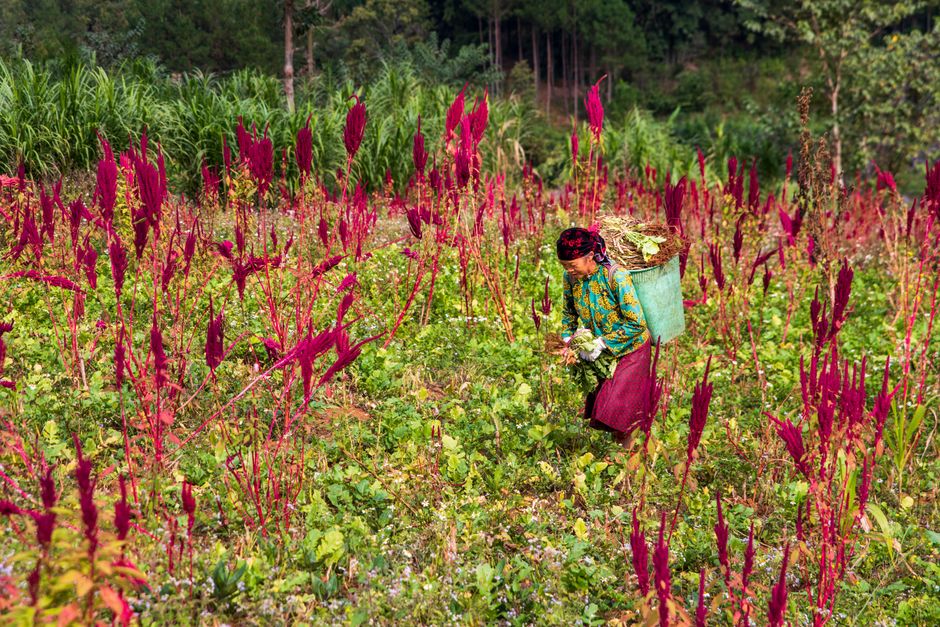
The Hibiscus sabdariffa plant, from which Roselle tea is derived, is believed to have originated in West Africa. However, it has been cultivated in various tropical and subtropical regions around the world for centuries. In Brunei, Roselle has found a particularly favorable environment, thriving in the country's warm and humid climate. The plant is relatively easy to grow, requiring well-drained soil and plenty of sunlight.
Bruneian farmers have adopted sustainable farming practices to cultivate Roselle, minimizing the use of pesticides and herbicides. This not only ensures the quality and safety of the tea but also protects the environment. Many farmers are also incorporating traditional knowledge and techniques into their farming methods, further enhancing the sustainability of the industry. The harvesting process is typically done by hand, ensuring that only the ripe calyces (the fleshy part surrounding the flower) are selected. These calyces are then dried and processed to create the Roselle tea.
The cultivation of Roselle in Brunei is not just an agricultural activity; it's a cultural practice that is deeply rooted in the community. Farmers often work together, sharing knowledge and resources to improve their yields and quality. This sense of community and collaboration is a key factor in the success of Brunei's Roselle tea industry.

Health Benefits and Nutritional Value
Roselle tea is not only a delicious beverage but also a powerhouse of nutrients and antioxidants. It is rich in vitamin C, which boosts the immune system and protects against infections. It also contains anthocyanins, powerful antioxidants that have been linked to a reduced risk of heart disease and cancer. Furthermore, Roselle tea is a good source of minerals such as calcium, magnesium, and potassium, which are essential for maintaining overall health.
Studies have shown that Roselle tea can help lower blood pressure and cholesterol levels. It also has anti-inflammatory and anti-bacterial properties, making it a valuable remedy for various ailments. Some people also use Roselle tea as a natural diuretic, helping to flush out toxins from the body. Here's a summary of the key health benefits:
- Rich in Antioxidants: Protects against cell damage.
- May Lower Blood Pressure: Supports cardiovascular health.
- Could Improve Cholesterol: Helps maintain healthy cholesterol levels.
- Supports Liver Health: Aids in detoxification.
- May Promote Weight Loss: Can assist in weight management.
The following table provides a general overview of the nutritional content of Roselle tea (per 8 ounces):
| Nutrient | Amount |
| Vitamin C | Varies, but generally high |
| Calcium | Small amount |
| Magnesium | Small amount |
| Potassium | Moderate amount |
| Antioxidants (Anthocyanins) | Significant amount |
It's important to note that the exact nutritional content can vary depending on the variety of Roselle and the brewing method. However, Roselle tea is generally considered a healthy and nutritious beverage that can contribute to overall well-being.
Global Popularity and Market Trends
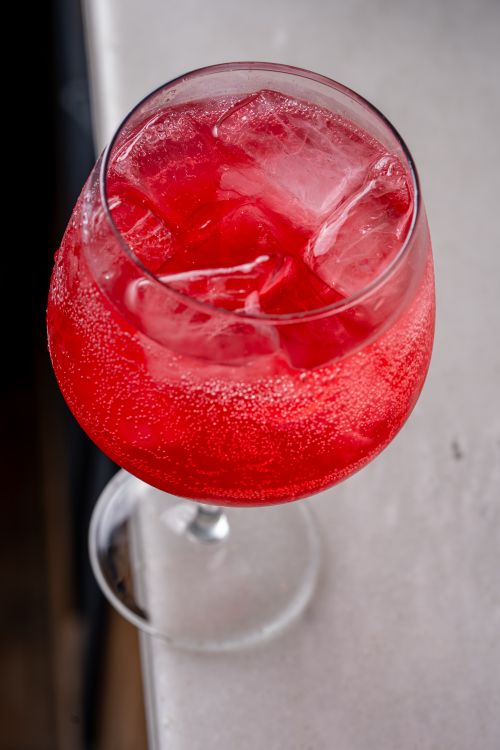
Brunei's Roselle tea is rapidly gaining popularity in international markets, driven by its unique flavor profile and health benefits. Consumers are increasingly seeking natural and healthy alternatives to traditional teas and sugary drinks, and Roselle tea fits the bill perfectly. The tea's vibrant color and tart-sweet taste make it a refreshing and enjoyable beverage, while its numerous health benefits appeal to health-conscious consumers.
The demand for Roselle tea is growing in various regions around the world, including North America, Europe, and Asia. In these markets, Roselle tea is being used in a variety of applications, from traditional tea blends to innovative food and beverage products. Some companies are even incorporating Roselle extract into cosmetics and skincare products, capitalizing on its antioxidant and anti-inflammatory properties.
Several factors are contributing to the growing popularity of Brunei's Roselle tea. These include:
- Increasing awareness of its health benefits: Consumers are becoming more informed about the health benefits of Roselle tea, driving demand for the product.
- Growing demand for natural and healthy beverages: Roselle tea is a natural and healthy alternative to sugary drinks and traditional teas.
- Innovative marketing and branding: Bruneian companies are effectively marketing and branding their Roselle tea products, highlighting their unique qualities and benefits.
- Government support: The Bruneian government is actively supporting the Roselle tea industry, providing resources and infrastructure to help farmers and exporters expand their operations.
As we move into 2025, the global market for Roselle tea is expected to continue to grow, driven by these factors. Brunei is well-positioned to capitalize on this trend, thanks to its high-quality Roselle tea and its commitment to sustainable farming practices.

Brunei's Roselle Tea in 2025: A Promising Future
Looking ahead to 2025, Brunei's Roselle tea industry has a bright and promising future. With its unique flavor, health benefits, and sustainable farming practices, Brunei's Roselle tea is poised to become a major player in the global tea market. The government's continued support, combined with the innovation and dedication of local farmers, will drive the industry's growth and ensure its long-term success.
To further enhance its competitiveness, Brunei's Roselle tea industry can focus on several key areas:
- Investing in research and development: Conducting research to further explore the health benefits of Roselle tea and develop new and innovative products.
- Strengthening marketing and branding efforts: Creating a strong brand identity for Brunei's Roselle tea and effectively communicating its unique qualities and benefits to consumers.
- Expanding distribution channels: Establishing partnerships with retailers and distributors in key markets to increase the availability of Brunei's Roselle tea.
- Promoting sustainable farming practices: Continuing to promote sustainable farming practices to ensure the quality and environmental friendliness of Brunei's Roselle tea.
By focusing on these areas, Brunei's Roselle tea industry can solidify its position in the global market and continue to delight consumers with its refreshing and healthy beverage. As more people discover the unique taste and health benefits of Brunei's Roselle tea, its popularity is sure to soar, making it a true global refreshment in 2025 and beyond.

So, raise a glass of vibrant Roselle tea and join Brunei in sharing this delicious, healthy secret with the world!
-Hot Water


Comments
Post a Comment