Corsican Chestnut Flour Tea: Gluten-Free Brew Revolutionizing Wellness
Introduction: A New Era of Wellness Brews
The year 2025 is witnessing a surge in innovative wellness trends, and at the forefront is a unique and surprisingly delightful beverage: Corsican chestnut flour tea. This gluten-free brew, derived from the nutrient-rich chestnut flour of Corsica, is rapidly gaining popularity for its distinctive flavor profile and potential health benefits. Forget your average herbal tea; this is a whole new level of natural goodness.
For centuries, chestnuts have been a staple food in Corsica, an island renowned for its rugged landscapes and rich culinary traditions. Now, this humble nut is being reimagined as a soothing and healthful tea, offering a delicious alternative for those seeking gluten-free options and a boost to their overall well-being. This isn't just a fleeting trend; it's a testament to the power of rediscovering traditional ingredients and adapting them to modern lifestyles.
In this blog post, we'll delve into the fascinating world of Corsican chestnut flour tea, exploring its origins, health benefits, preparation methods, and why it's poised to become a wellness staple in 2025 and beyond. Get ready to discover a brew that's as good for your body as it is for your taste buds!

The Origins of Corsican Chestnut Flour Tea
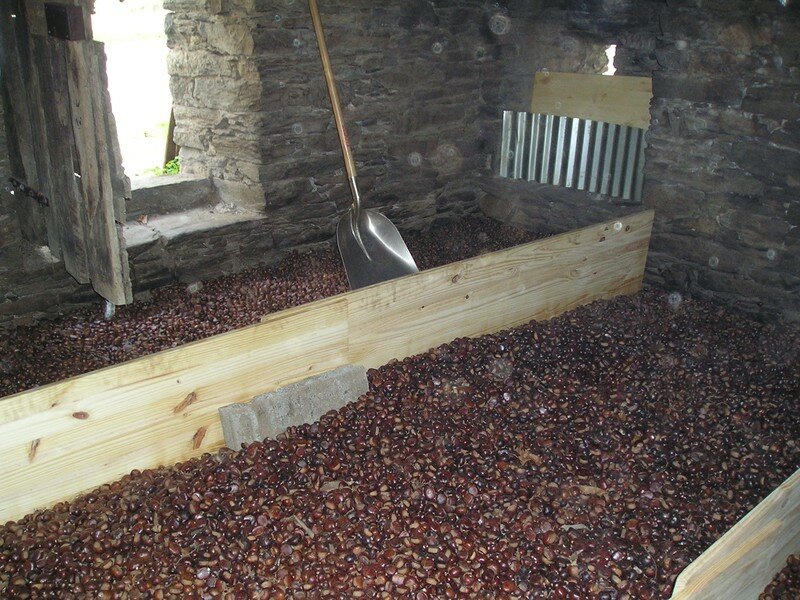
To truly appreciate Corsican chestnut flour tea, it's essential to understand the significance of chestnuts in Corsican culture. For generations, chestnuts have been a vital food source on the island, particularly in the mountainous regions where cultivating other crops was challenging. The trees, often centuries old, provide sustenance and are deeply intertwined with the island's identity.
Chestnut flour, known locally as farina castagnina corsa, is made by drying and grinding chestnuts into a fine powder. This flour is traditionally used in a variety of dishes, from breads and cakes to polenta-like dishes. Its naturally sweet and slightly nutty flavor adds a unique dimension to Corsican cuisine. The idea of using this flour to create a tea is a relatively recent innovation, born out of a desire to harness the nutritional benefits of chestnuts in a convenient and enjoyable way.
The process of making chestnut flour tea is simple yet transformative. By steeping the flour in hot water, the flavors and nutrients are extracted, creating a beverage that is both comforting and invigorating. It's a testament to the ingenuity of Corsican culinary traditions, taking a staple ingredient and reimagining it for a new generation of health-conscious consumers.
Health Benefits of Chestnut Flour Tea
Beyond its unique flavor, Corsican chestnut flour tea offers a range of potential health benefits, making it an attractive addition to any wellness routine. Here's a closer look at some of the key advantages:
- Gluten-Free: As a naturally gluten-free product, chestnut flour tea is an excellent option for individuals with celiac disease or gluten sensitivity.
- Rich in Nutrients: Chestnuts are a good source of vitamins and minerals, including vitamin C, vitamin B6, potassium, and magnesium. These nutrients play vital roles in supporting overall health and well-being.
- High in Fiber: The fiber content in chestnut flour can aid in digestion, promote gut health, and help regulate blood sugar levels.
- Antioxidant Properties: Chestnuts contain antioxidants that can help protect the body against free radical damage, potentially reducing the risk of chronic diseases.
- Energy Boosting: The complex carbohydrates in chestnut flour provide a sustained release of energy, making it a great alternative to sugary drinks or caffeine-laden beverages.
While more research is needed to fully understand the extent of these benefits, the nutritional profile of chestnuts suggests that incorporating chestnut flour tea into your diet could be a positive step towards a healthier lifestyle. Always consult with a healthcare professional or registered dietitian for personalized advice.
| Nutrient | Amount per 100g of Chestnut Flour | Potential Benefits |
|---|---|---|
| Fiber | ~10g | Aids digestion, regulates blood sugar |
| Potassium | ~590mg | Supports heart health, regulates blood pressure |
| Magnesium | ~92mg | Supports muscle and nerve function |
| Vitamin C | ~26mg | Boosts immune system, antioxidant |

How to Prepare Corsican Chestnut Flour Tea
Making Corsican chestnut flour tea is a simple and rewarding process. Here's a step-by-step guide to help you create your own delicious and healthful brew:
- Gather Your Ingredients: You'll need high-quality Corsican chestnut flour and fresh, filtered water.
- Heat the Water: Bring the water to a near boil. Avoid boiling vigorously, as this can affect the flavor of the tea.
- Measure the Flour: Add approximately 1-2 teaspoons of chestnut flour per cup of water. Adjust the amount to your preference.
- Steep the Tea: Pour the hot water over the chestnut flour in a mug or teapot. Stir well to ensure the flour is fully dissolved.
- Let it Steep: Allow the tea to steep for 5-7 minutes. This will allow the flavors and nutrients to fully infuse into the water.
- Strain (Optional): While not necessary, you can strain the tea through a fine-mesh sieve or cheesecloth to remove any sediment.
- Serve and Enjoy: Pour the tea into your favorite mug and savor the unique flavor of Corsican chestnut flour.
Optional Additions: Feel free to experiment with different additions to enhance the flavor of your chestnut flour tea. Some popular options include:
- A drizzle of honey or maple syrup for added sweetness.
- A splash of lemon juice for a touch of acidity.
- A sprinkle of cinnamon or nutmeg for warmth and spice.
- A dash of vanilla extract for a richer flavor.
Where to Find Corsican Chestnut Flour: Authentic Corsican chestnut flour can be found at specialty food stores, online retailers specializing in Corsican products, or directly from producers in Corsica. Ensure you're purchasing high-quality flour for the best flavor and nutritional benefits.

The Future of Chestnut Flour Tea and Wellness Trends
Corsican chestnut flour tea is more than just a passing fad; it represents a broader trend towards rediscovering traditional ingredients and embracing holistic wellness practices. As consumers become increasingly health-conscious and seek out natural, gluten-free alternatives, chestnut flour tea is poised to become a staple in many households.
The rise of e-commerce platforms and global food networks has made it easier than ever to access unique and regional ingredients like Corsican chestnut flour. This increased accessibility, coupled with the growing interest in plant-based diets and sustainable food practices, is likely to fuel the demand for chestnut flour tea in the years to come.
Furthermore, the versatility of chestnut flour tea allows for endless experimentation and customization. From adding it to smoothies and lattes to incorporating it into baked goods, the possibilities are truly limitless. As more people discover the unique flavor and health benefits of this remarkable brew, it's sure to become a beloved addition to the world of wellness beverages. Keep an eye out for innovative chestnut flour tea blends and recipes as this trend continues to evolve and captivate the taste buds of health enthusiasts worldwide.
Tools like Amazon and platforms like Etsy make it easier to find and purchase chestnut flour from various vendors.

So, raise a warm mug of Corsican chestnut flour tea and toast to a healthier, happier you in 2025!
-Hot Water


Comments
Post a Comment